THE MATERIAL JOURNAL
Blog.
Material knowledge. Practical perspectives.
How to read a compound technical data sheet
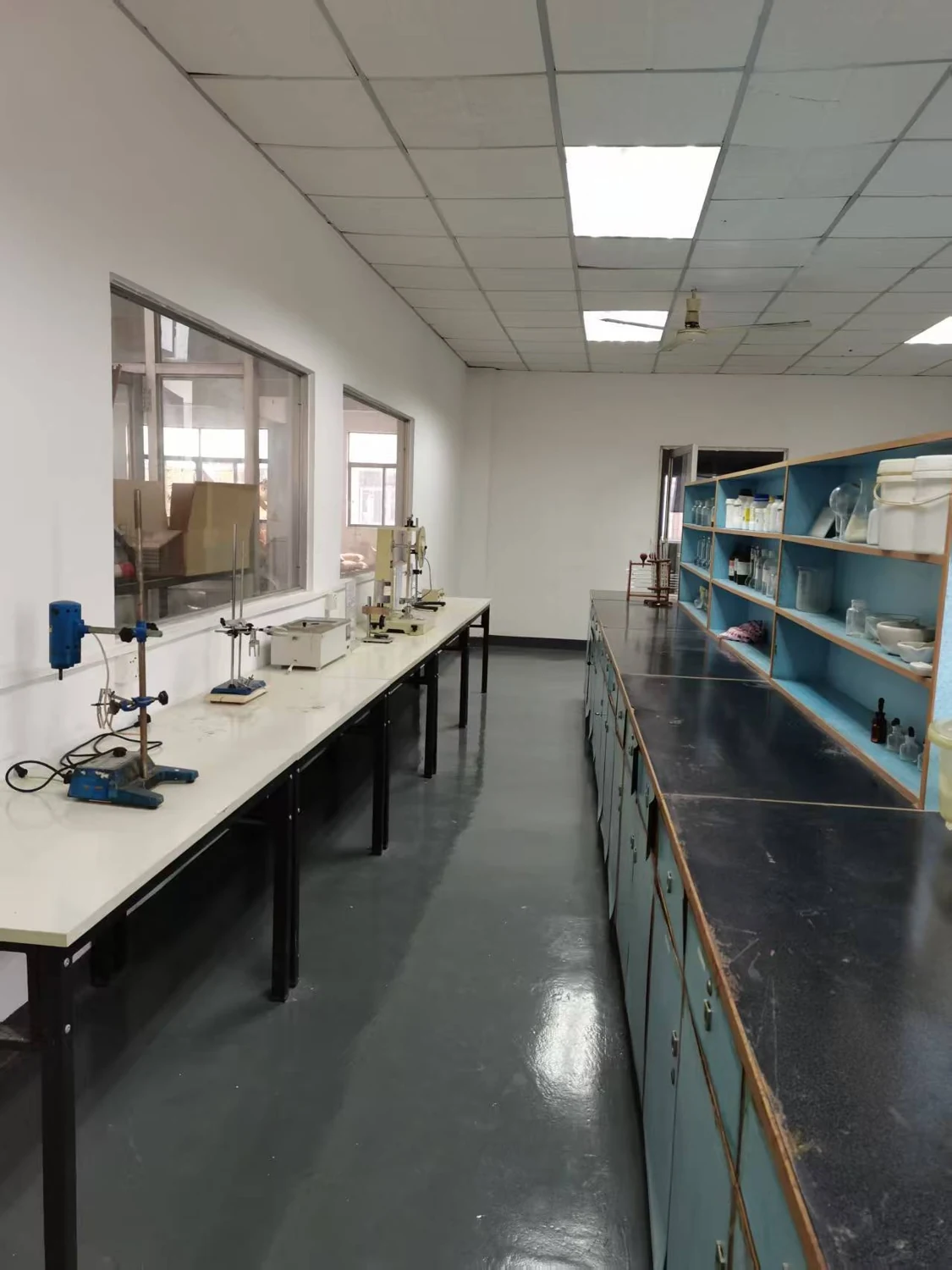
Read a technical data sheet against the exact grade being proposed. Check units, methods, conditioning, revision and whether values are typical or agreed limits. An SDS concerns safe handling; the product catalog introduces families. Request the documents that match the material and the intended market.
 PVC / Material knowledge
The material quotation checklist
A useful compound quotation starts with the same technical and commercial brief for each supplier. Provide the part, process, target properties, color, sample needs, anticipated quantity and destination. Confirm the quoted grade, packaging, price basis, delivery terms and document scope before comparing offers.
 TPE / Material knowledge
TPE overmoulding: the substrate comes first
Overmolding selection depends on the exact TPE and substrate grades, part design and process. Identify reinforcement, coatings and surface conditions. Agree the adhesion test, conditioning and acceptance criteria, then evaluate the proposed pairing on a representative molded part.
 PVC / Material knowledge
Flexible or rigid PVC? Start with the part.
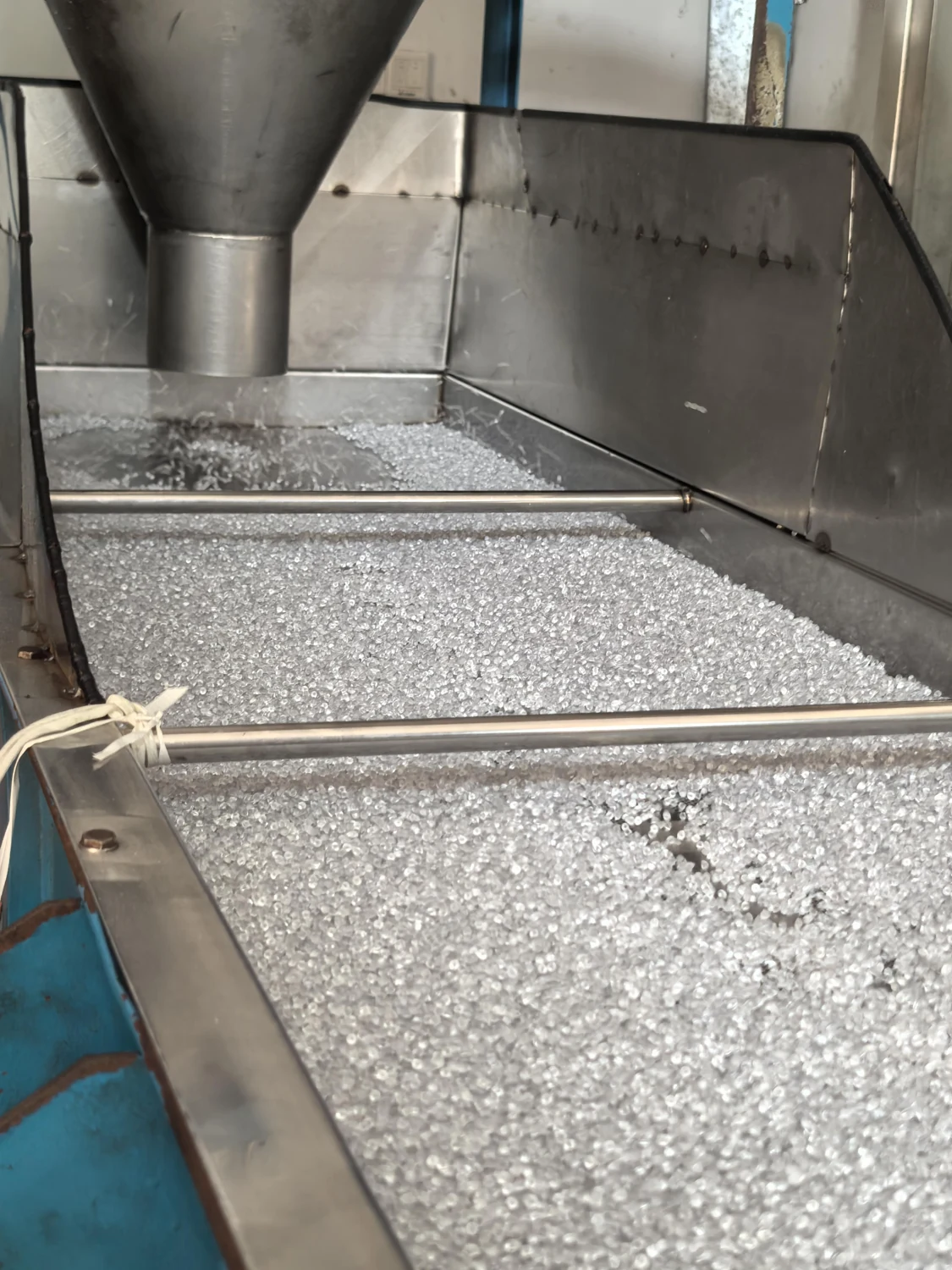
Flexible and rigid PVC address different part functions. Start with the required flexibility, geometry and assembly, then agree the hardness scale, test conditions and production process. Compare a representative sample rather than treating every PVC formulation as interchangeable.
 TPE / Material knowledge
TPE and TPR: a better soft-touch brief
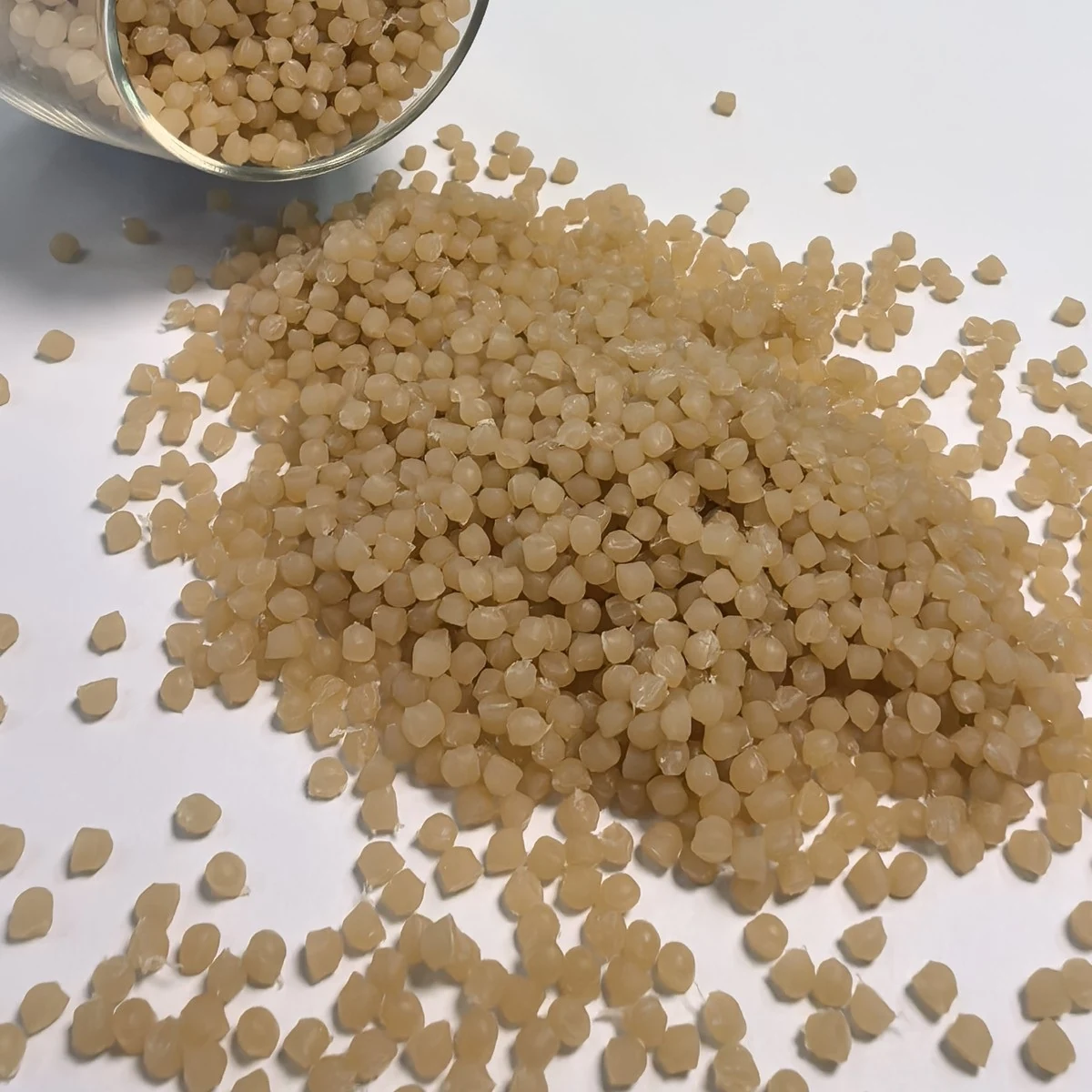
TPE and TPR names alone do not identify a complete formulation. Ask for the actual material family, grade, hardness scale and processing guidance. Compare feel, elastic response, appearance and service requirements on samples made for the intended application.
 PVC / Material knowledge
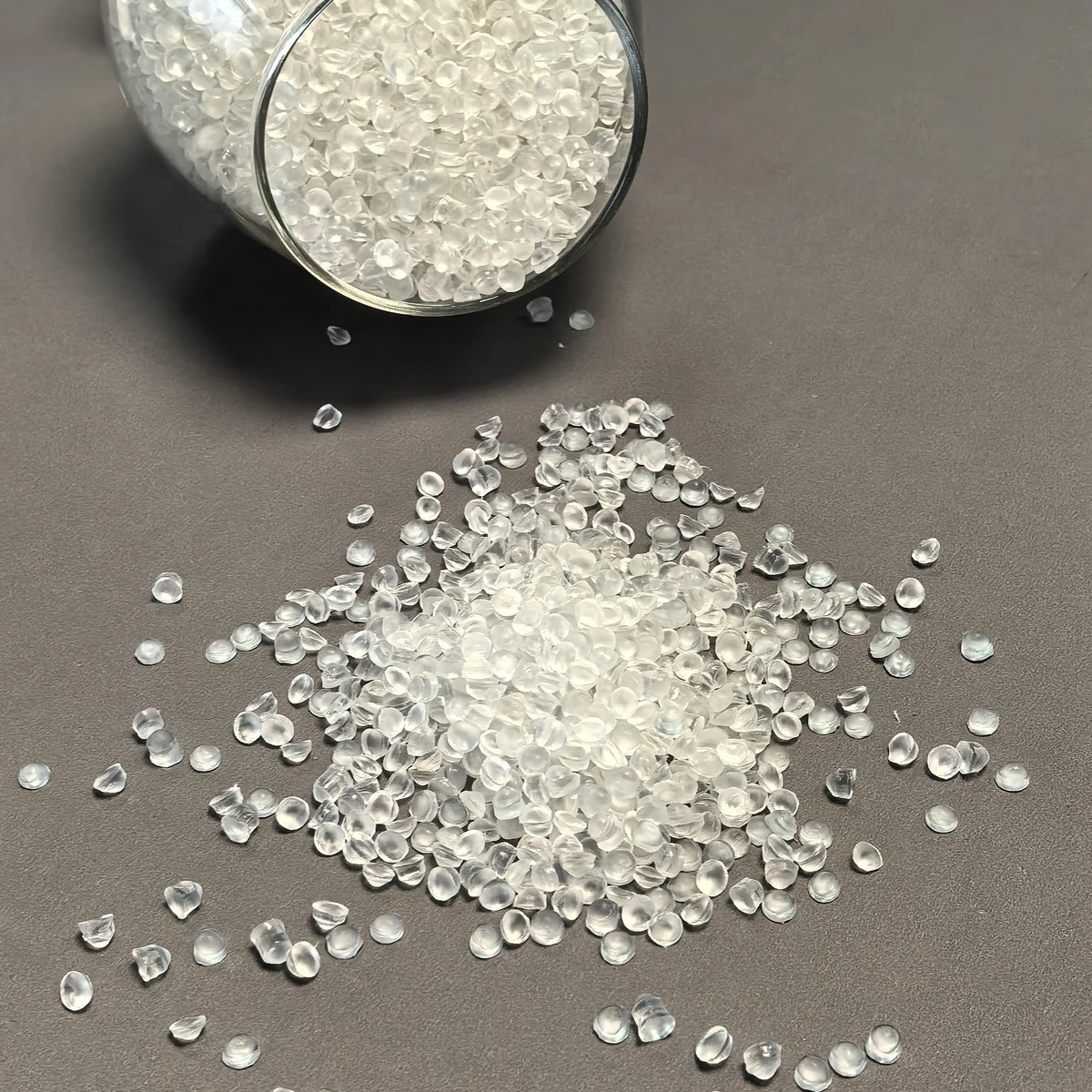
PVC compound vs. PVC resin: buy the right starting material
PVC resin is the base polymer used in compounding. A PVC compound is a formulated material selected for a processing route and application. State whether your factory needs resin for its own mixing operation or prepared pellets for making a part; compare the proposed grade and supply form before ordering.